Posts

The Red Japanese Maple - Why You Should Have Them?
Image
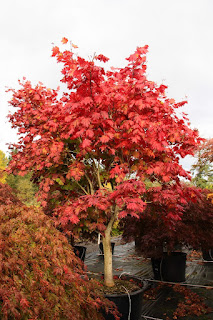
Red Japanese Maples If you are looking for a tree that will add beauty, elegance, and color to your garden, look no further than the red Japanese Maple. Known for their stunning red foliage, the Japanese Maple is a statement tree that will capture your imagination.  It’s a perfect choice if you want to make a lasting impression with your landscape. This blog post will explore the reasons why you should have a Red Japanese Maple in your garden. They are Perfect for Any Garden One of the reasons people love Red Japanese Maples is their versatility. They thrive in different climatic conditions, and you can plant them in small or large gardens. Red Japanese Maples come in several varieties that can grow from 6 feet to 25 feet tall. You can select the one that is perfect for your garden and create a beautiful focal point or plant them along a garden border for added beauty. They Have a Rich History and Culture The Japanese Maple has both cultural and historical significance. In Japan, ...

Beautiful Pink Flowers

Image
Imagine walking through a breathtaking alpine landscape, with rugged mountains towering in the distance. As you traverse the rocky terrain, you come across a whimsical and enchanting shrub that immediately catches your eye.  This is the Milkwort – a dense, evergreen plant that adds a touch of magical beauty to any garden or natural environment. With its striking purple flowers and hardy character, it is the perfect ground cover for any landscape. But did you know that in the past, milkwort has also been used to increase the milk production of certain mammals? This just goes to show that this plant not only has aesthetic beauty, but also practical uses.

Cultivating Japanese Cedar: Tips for Growing and Caring for Cryptomeria japonica

Image
Cryptomeria japonica or Japanese Cedar Japanese cedar, scientifically known as Cryptomeria japonica, is a majestic evergreen tree that is highly valued for its beauty and cultural significance. Whether you're a seasoned gardener or a beginner, cultivating Japanese cedar can be a rewarding endeavor.  In this comprehensive guide, we will explore the essential steps and techniques for successfully growing and caring for Japanese cedar in various environments. From ideal soil conditions and sunlight requirements to pruning, fertilizing, and pest control, we'll provide you with the knowledge needed to nurture these remarkable trees. Ideal Soil Conditions  Japanese cedar thrives in well-drained soil that is slightly acidic to neutral in pH. It prefers loamy or sandy soil types but can adapt to a wide range of soil conditions. Before planting, it is crucial to ensure proper soil preparation. Start by removing weeds, rocks, and debris from the planting area. Improve the soil's dra...

Are you looking for a unique and beautiful way to spruce up your backyard?

Image
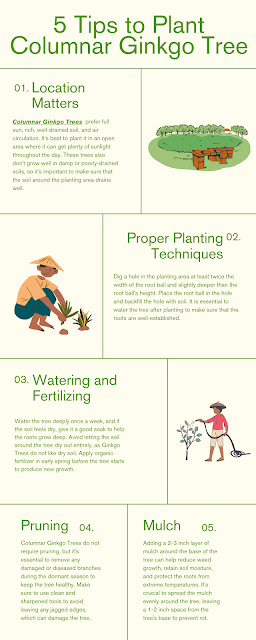
Planting Columnar Ginkgo Trees can be the perfect addition to your outdoor space! With its elegant leaves and fast growth, a columnar ginkgo tree is sure to become the pride of any garden. Most importantly, planting this tree is relatively straightforward with just a few simple steps. 

9 Best Japanese Maples as Houseplants

Image
Japanese Maples as Houseplants Are you looking for a way to bring color and beauty to your indoor space? Look no further than Japanese maples! These stunning trees are not only a popular choice for outdoor landscaping but also make excellent houseplants. They add a pop of color and texture to any room, and their varying sizes make them suitable for apartments or large living spaces. Here we will explore 9 of the best Japanese maples to consider as houseplants. Bloodgood Japanese Maple  The deep burgundy leaves of the Bloodgood Japanese Maple offer a striking contrast against any indoor space. This tree prefers bright but indirect light and moderate watering. Beni Kawa Japanese Maple The Beni Kawa Japanese Maple's leaves transition from a bright green to a vibrant red in the fall season. This tree likes its soil consistently moist and can thrive in low to bright light. Emerald Lace Japanese Maple With its delicate and lacy leaves, the Emerald Lace Japanese Maple provides an elegant ...

Neighborly Privacy: Using Fast-Growing Trees to Enhance Community Spaces

Image
Fast-Growing Trees In the heart of bustling urban areas, the need for privacy often clashes with the desire for vibrant and open community spaces. Enter the solution: fast-growing privacy trees. These remarkable botanical wonders not only offer seclusion but also contribute to the aesthetic and ecological enhancement of community areas. In this article, we'll delve into the ingenious ways that privacy trees can transform shared spaces into welcoming and verdant havens. The Power of Privacy Trees in Community Spaces: 1.Natural Screens for Urban Sanctuaries: Imagine a tranquil park where families gather for picnics, individuals meditate, and children play freely. Privacy trees, strategically planted along the edges, create natural screens that shield these activities from the prying eyes of passing traffic. This not only fosters a sense of security but also encourages more active community engagement. 2. Green Canopies for Serene Sidewalks: Sidewalks lined with privacy trees not only...

Planting a Spectacular Weeping Japanese Maple for a Breathtaking Spring Display

Image
Weeping Japanese Maples Spring is the perfect time to plant a weeping Japanese maple, a gorgeous tree known for its cascading branches and delicate foliage. These spectacular trees come in a variety of colors and sizes, and can be used in a number of different garden settings to create an unforgettable display. Whether you're a seasoned gardener or a beginner, planting a weeping Japanese maple is an easy way to add beauty and elegance to your outdoor space. In this post, we'll cover everything you need to know to successfully plant and care for a weeping Japanese maple, including soil conditions, watering needs, and pruning techniques. 1. Choosing a Location The first step in planting a weeping Japanese maple is to choose the perfect spot for it in your garden. These trees do best in partially shaded areas with well-drained soil. It's important to avoid areas that are exposed to strong winds or harsh sunlight, as this can damage the delicate foliage. A good spot is one that...

Unveiling the Timeless Elegance of Japanese Maples: Nature's Artistry in Gardens

Image
Elegant Japanese Maples In the realm of horticulture, few trees capture the essence of grace and serenity like Japanese Maples (Acer palmatum). Originating from the forests and mountains of Japan, these captivating trees have become an enduring symbol of beauty and tranquility in gardens around the world. Japanese Maples, also known as Momiji in Japan, offer a harmonious blend of delicate leaves, striking colors, and an alluring aesthetic that has bewitched garden enthusiasts for centuries. This blog delves into the captivating world of Japanese Maples, exploring their history, characteristics, cultural significance, and how they continue to inspire gardeners and nature lovers alike. A Glimpse into History Japanese Maples have a rich and storied history dating back over 300 years. Originally native to Japan, these trees were first cultivated in the 17th century during the Edo period. Over time, Japanese gardeners developed an array of exquisite cultivars, which helped elevate the popul...

Creating a Low-Maintenance Evergreen Hedge

Image
Creating a Low-Maintenance Evergreen Hedge Evergreen hedges are a great way to add privacy, structure, and beauty to your yard. However, many homeowners shy away from planting evergreen hedges because they assume they will require a lot of maintenance. The truth is, there are many evergreen hedge varieties that are low-maintenance and easy to care for. In this post, we'll explore some of the best low-maintenance evergreen hedges for your yard. Boxwood (Buxus sempervirens)  Boxwood is a popular evergreen hedge that is well-known for its dense, compact growth habit and small, glossy leaves. Boxwood is slow-growing, which means it requires less pruning than many other hedge varieties. Boxwood can be planted in full sun to part shade and prefers well-drained soil. Holly (Ilex aquifolium) Holly is another popular evergreen hedge that is known for its shiny, spiky leaves and bright red berries. Holly is easy to care for and requires little pruning, making it a great low-maintenance optio...

Fast-Growing Privacy Trees: Nature's Shield Against Noise and Unwanted Views

Image
 In the hustle and bustle of modern life, finding peace and privacy within our homes is becoming increasingly challenging. Fast-growing privacy trees offer a natural solution to combat noise pollution and shield our outdoor spaces from unwanted views. In this blog, we will explore the benefits of fast-growing privacy trees as effective screens, helping you create a serene sanctuary amidst the chaos of the outside world. The Need for Privacy and Peace As urbanization continues to grow, so does the need for privacy and a peaceful outdoor environment. Whether you reside in a bustling city or a suburban neighborhood, external noise and prying eyes can disrupt your tranquility. Fast-growing privacy trees act as a buffer between your property and the surrounding environment, ensuring that you can enjoy your outdoor space without interference. Fast-Growing Privacy Trees as Effective Screens Blocking Noise Pollution: Trees have a remarkable ability to absorb and dissipate sound waves. By p...

Creating a Serene Oasis: Designing a Tranquil Japanese Garden

Image
  Learn the essential care and pruning techniques for Weeping Japanese maple Trees . From choosing the right tools to shaping the tree's form, this image provides valuable pointers for maintaining the health and aesthetics of your Japanese maple. Discover expert tips for removing dead branches, thinning out overcrowded areas, and controlling the size and shape of the tree. Enhance your gardening skills and ensure the longevity of your maple with these valuable insights.

What Causes Witches' Broom to Happen?

Image
Causes of Witches' Broom The "witches' broom" plant, also known as "witches' broomstick" or "witches' broom," refers to a growth abnormality or deformity that can occur in various types of plants. This peculiar growth is characterized by the development of a dense cluster of small, twig-like branches resembling a broom, often resembling the broomsticks associated with witches in folklore. While witches' broom can affect different plant species, it is commonly observed in trees, particularly conifers. Causes: Witches' broom can have different causes, including: Pathogens: Fungal or bacterial infections can induce the formation of witches' broom growth in plants. The pathogen infiltrates the plant's tissues, altering its normal growth pattern and causing the abnormal cluster of branches to form. Insects and Mites: Some insects and mites can introduce chemicals or toxins into plants, triggering the development of witches' b...

Why People Prefer Ginkgo Biloba Trees?

Image
Ginkgo biloba has been a favorite among gardeners for years due to its unique qualities and benefits. Not only is it a beautiful tree with fan-shaped leaves that turn golden in the fall, but it also has a long history of use as a medicinal herb.  Columnar Ginkgo is believed to enhance memory, improve concentration, and boost overall brain health. It is also known for its antioxidant properties, which can help prevent cell damage and slow the aging process. If you're looking for a tree that is both visually stunning and beneficial to your health, planting Ginkgo biloba in your garden is a no-brainer.

Vertical Growth: Tall and Fast-Growing Evergreen Trees for Landscaping

Image
Trees with Fast Growth for Landscaping When it comes to landscaping, incorporating tall and fast-growing evergreen trees can transform your outdoor space into a lush and private sanctuary. These trees not only provide vertical beauty but also offer year-round greenery and privacy screening. In this post, we will explore four exceptional tree species known for their vertical growth and rapid development—Emerald Green Arborvitae, Green Giant Arborvitae, English Laurel, and Western Red Cedar. Emerald Green Arborvitae (Thuja occidentalis 'Smaragd'): The Emerald Green Arborvitae is a popular choice for vertical growth due to its slender and compact form. With its vibrant emerald-green foliage, this evergreen tree adds elegance and privacy to any landscape.  It can reach heights of 10 to 15 feet within a few years, making it an excellent option for creating a tall hedge or a living fence. The dense foliage of the Emerald Green Arborvitae offers year-round screening and protection fro...

3 Evergreen Hedges for Filling Empty Spots in the Garden

 Filling Empty Spots in the Garden Gardening is a gratifying pursuit that requires a tremendous amount of patience and hard work. One of the most challenging aspects of gardening is keeping an empty spot filled with plants all year round. The solution to this problem lies in planting an evergreen hedge. Evergreen hedges are plants that maintain their foliage year-round, providing a constant source of greenery. In this blog post, we will discuss the best evergreen hedges for filling empty spots in your garden. Top 3 Evergreen Hedges 1. Boxwood- Boxwood is a traditional evergreen hedge that has been a favorite of gardeners for centuries. Known for its small, dense leafage, it is an ideal choice for creating formal hedges. It is quite easy to maintain and can be pruned to the desired shape and size. Boxwood prefers full sun to partial shade and well-drained soil. It also tolerates drought well, making it an excellent choice for areas with water limitations. 2. Holly- Holly is another ...

Caring for Your Red Dragon Japanese Maple in Changing Seasons

Image
Red Dragon Japanese Maple trees are a vibrant, attractive addition to any outdoor space. These trees come in many shapes and sizes and can be grown as a focal point or used to create beautiful landscaping. But if you want to ensure your tree is healthy and thriving throughout the year, there are certain things you need to keep in mind when caring for it. Here’s what you need to know about caring for your Red Dragon Japanese Maple in changing seasons. Spring Care  In the springtime, your Red Dragon Japanese Maple  should receive plenty of water and fertilizer. When temperatures begin to rise above 60 degrees Fahrenheit, begin watering your tree regularly, ideally once every week or two depending on the amount of rainfall your area receives.  Be sure not to over-water - avoid flooding the roots by soaking them with too much water at once. Fertilize your tree with a slow-release fertilizer formulated for maples every three months during the growing season (April through...

Sango Kaku: The Stunning Orange Maple

Image
If you're looking to learn more about Japanese maples, it's likely that the name Sango Kaku has caught your attention. This variety of maple is a must-have for any garden enthusiast and offers stunning year-round beauty and interest.  But what else does this vibrant, ornamental tree have to offer? In this post, let's explore some fundamental facts about Sango Kaku: from its origins as an heirloom variety to what makes it one of the most popular trees in gardens near and far!  

When Is the Best Time to Enjoy the Colors of Seiryu Japanese Maple?

Image
  Seiryu Japanese Maple The Seiryu Japanese Maple is a popular choice for many home gardens. This type of maple tree has beautiful green foliage with eye-catching red leaf tips and veins. If you’re looking to add a touch of color to your landscape, the Seiryu Japanese Maple is definitely worth considering. But when should you plant it in order to reap the most stunning array of colors? Let’s take a look. The Best Season for Planting Seiryu Japanese Maple The best time to plant your Seiryu Japanese Maple is in the late spring or early summer , as soon as all danger of frost has passed. The warmer temperatures will enable your tree to establish itself more quickly and begin producing vibrant foliage in no time. If you wait until autumn to plant your tree, it may not have enough time to become firmly established before winter sets in. However, if you do choose to plant it in autumn, make sure you provide plenty of water and mulch around the base of the tree to keep it well-nourished ...